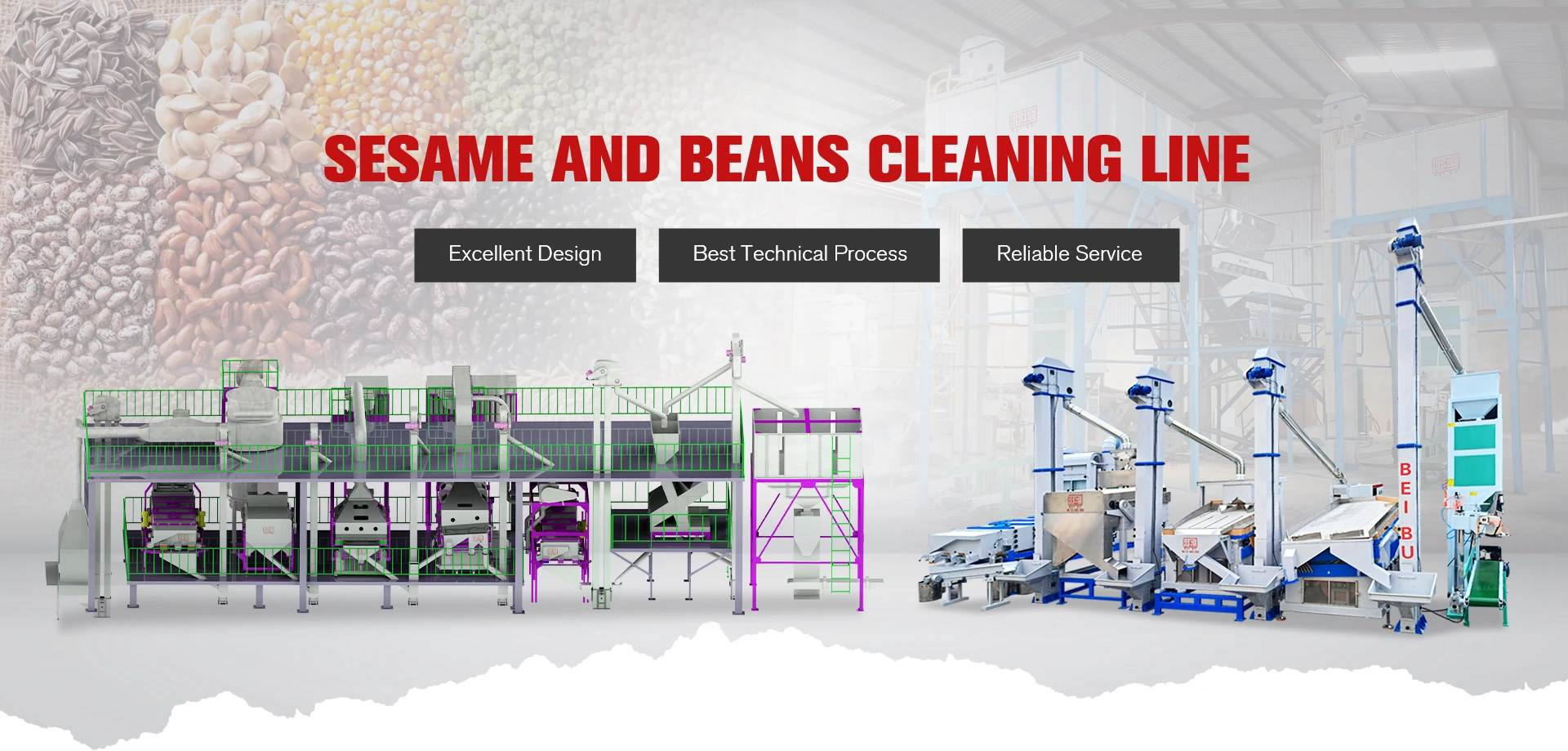
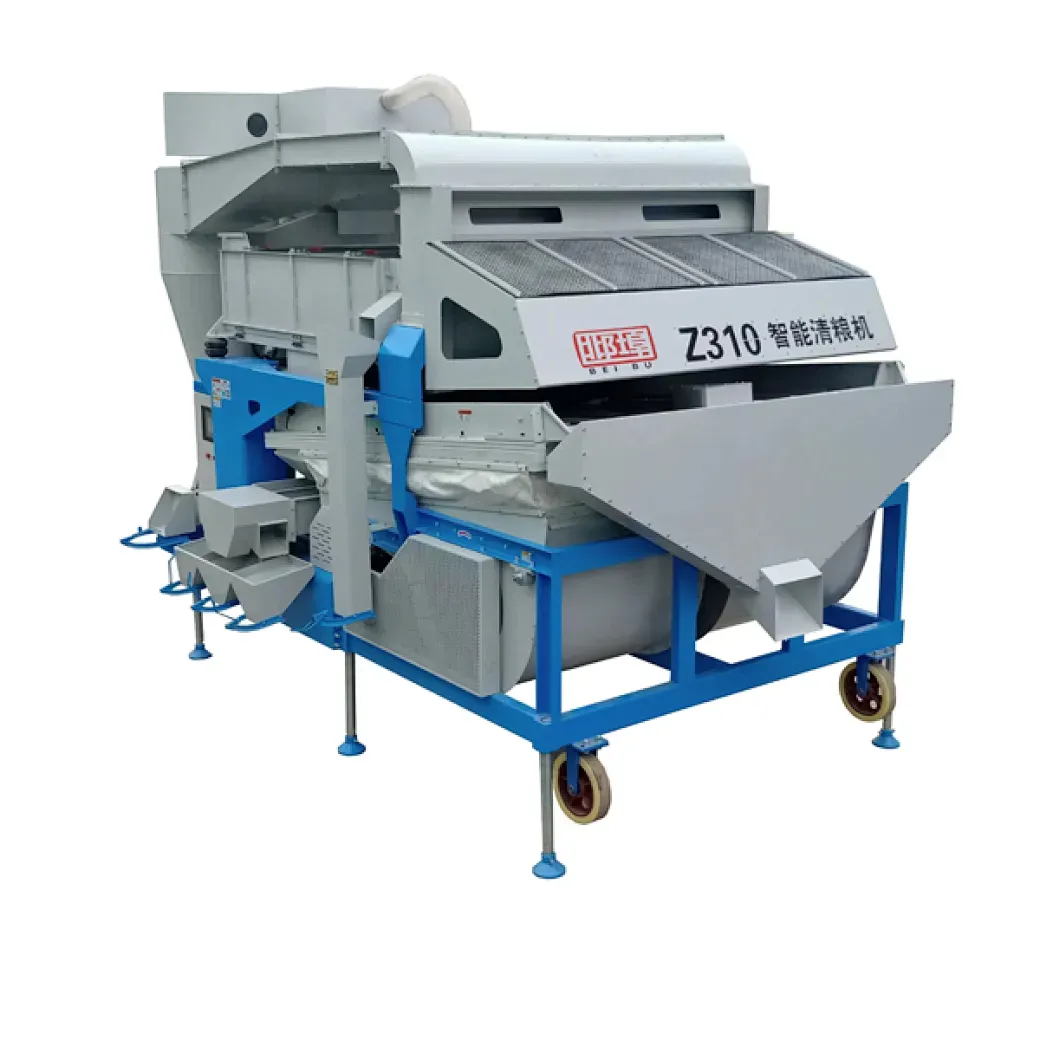
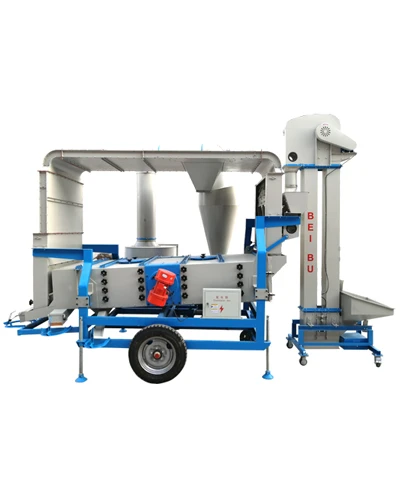
Low-Speed Handling for Cleaner Rice: A Field Note from the Milling Line If you’re evaluating an elevator rice mill solution right now, you’re not alone. A lot of mills are quietly switching to gentler vertical conveying to cut breakage and stop bottlenecks before they start. I’ve spent enough time around intakes and cleaners to say this: speed is not your friend when you’re conveying fragile grains. Why low-speed bucket elevators are trending - More whole kernels demanded by premium buyers (export and boutique retail). - Energy costs force mills to favor efficient mechanical lifts over air systems. - Safety and uptime: fewer cracked grains, fewer downstream sieve overloads. - Traceability and cleaner lines: less spillage, less foreign matter. The Low Speed No Broken Elevator from Shijiazhuang, Hebei (China) aims exactly at that gap. It’s built for loading grains, beans, pulses, and seeds into the cleaner, destoner, and gravity separator—without beating up the kernels. Many customers say the change is surprisingly visible in their whiteners and polishers later on. Product snapshot (≈ real-world ranges) Model Low Speed No Broken Elevator Capacity 10–20 t/h (grain dependent; moisture & density matter) Function Gentle bucket elevator feeding cleaner/destoner/gravity separator Supply Ability ≈50 sets/month Delivery 10–15 working days (typical) Origin Shijiazhuang City, Hebei Province, China Customization Bucket material/liner options, dust covers, magnets, variable speed Where it fits in the line (process flow) Intake hopper → Pre-cleaning screen → elevator rice mill (low-speed bucket lift) → Cleaner → elevator rice mill hop to Destoner → Gravity separator → Storage or husker. Materials: paddy, wheat, pulses, sesame, sunflower, even delicate seeds. Methods: low linear belt speed, deep buckets, controlled discharge spouting to minimize free-fall. Testing standards typically reference moisture per ISO 712 and broken-kernel definitions per USDA FGIS for rice acceptance. Advantages I’ve noticed (and users echo) - Lower breakage vs high-speed lifts (customers report notable reductions). - Stable feed to cleaners and stones, fewer overflows and re-circulation. - Simpler maintenance; service life ≈8–12 years with regular belt/bearing care. - Compact footprint; easy retrofit into existing towers. Vendor comparison (indicative) Option Pros Trade-offs Best for Low Speed No Broken Elevator Gentle handling, efficient, moderate power Slightly larger headroom vs pneumatic Premium rice lines targeting whole-kernel yield Generic High-Speed Elevator Higher throughput potential Increased breakage, dust Feed grains where cracking is less critical Pneumatic Conveyor Flexible routing, enclosed Higher energy use; kernel impact if not tuned Tight layouts, multi-point distribution Field note and test data (real-world use may vary) In one mid-capacity rice mill retrofit, a elevator rice mill running ≈12 t/h cut broken kernels from about 1.7% to ≈0.7% at the cleaner outlet (customer-reported; data on file). Noise dropped perceptibly around the head section—operators mentioned it, which says something. Compliance, QA, and maintenance - Design safety aligned with ISO 12100 principles; guards and interlocks advised. - Moisture verification per ISO 712 supports consistent flow and lower damage. - Kernel quality checks per USDA FGIS rice inspection help quantify benefit. - Preventive care: belt tension weekly at start-up phase, bearings monthly; full audit quarterly. To be honest, the biggest win is consistency. A steady feed from the elevator rice mill makes every downstream machine look smarter. If you’re scoping a revamp, ask for adjustable speed, wear liners, and dust-tight covers—small options, big dividends. References Conveyor Equipment Manufacturers Association (CEMA). Bucket Elevators Design Manual. ISO 712:2009. Cereals and cereal products — Determination of moisture content. USDA FGIS. Rice Inspection Handbook — Definitions and grading for broken kernels. ISO 12100:2010. Safety of machinery — General principles for design — Risk assessment. FAO. Reducing Post-Harvest Losses in Grain Supply Chains (technical guidance).